When green isn’t sustainable
Shayan Ali asks whether Europe’s green transition is sustainable when it comes at the expense of over 40,000 children in the Democratic Republic of Congo (DRC).
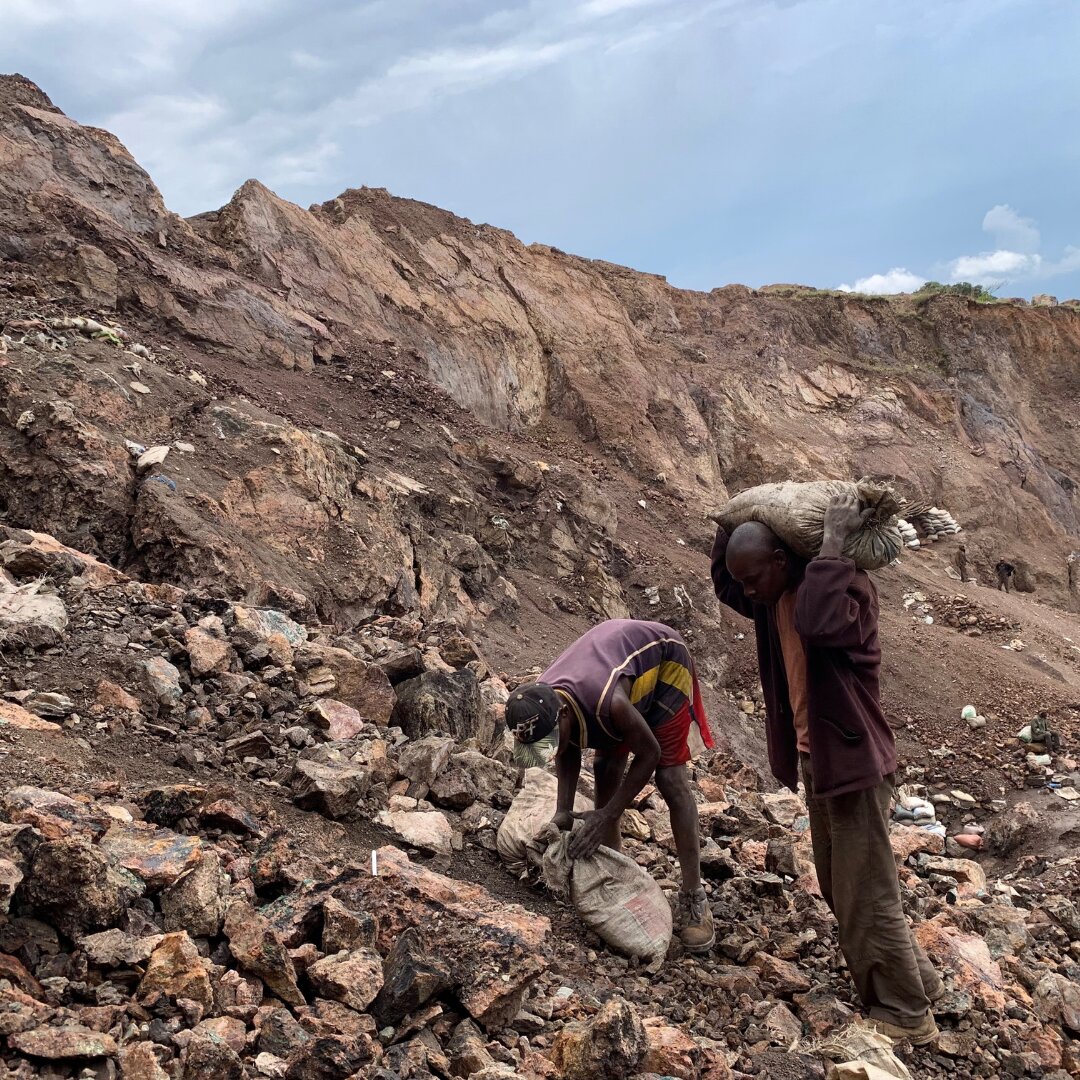
Image by the International Institute for Environment and Development | CC BY 2.5
Europe’s green transition aims at achieving net zero greenhouse gas emissions by the year 2050. Despite this, the European Union struggles to acquire raw materials – necessary for achieving its climate goals – in a sustainable manner. This includes lithium, cobalt, and nickel, which are used to produce batteries in phones and electric vehicles; gallium for solar panels; raw boron for wind technology; and titanium and tungsten, which are utilised in defence technologies.
While these raw materials play a crucial role in ameliorating the burden of climate change, the supply chain from which such materials are sourced remains rather challenging. Cobalt in particular merits emphasis. DRC supplies over 70 per cent of the world's cobalt and is typically produced through the labour of approximately 40,000 children.
These children mine cobalt in hazardous conditions, which produces downstream health harms – through both direct and indirect exposure. Direct exposure pathways include occupational exposure within the mines, while indirect exposure consists of toxic environmental exposure through pollution of air, water, and agriculture attributable to harmful mining practices. Miners are susceptible to respiratory illnesses, including asthma and hard metal lung disease. Health harms reverberate beyond direct exposure pathways and carry intergenerational harms, with offspring of miners linked to birth defects such as spina bifida, cleft lip, or cleft palate.
This poses the question as to whether Europe’s green transition is sustainable and ethical when it comes at the expense of over 40,000 children and broader population health? Tackling such an issue doesn’t include rescuing children from mining – as simple as it sounds – as it doesn’t address the factors that drove them to exploitative labour initially. Oftentimes, it is the widespread poverty and overall financial insecurity prompting children to supplement household income to fund their education.
What the EU ultimately needs is a shift in accountability and responsibility, be it the Union itself or corporations, when it comes to attaining a sustainable, and just, transition by 2050. While EU battery regulations outline the framework to conduct due diligence assessments for social labour and human rights risks, they are not applicable until 2027. The battery regulations should be situated within corporate and human rights governance and should assess the entire supply chain, not just the immediate supplier.
BMW is a salient instance of supply chain due diligence alleviating upstream suffering attributable to cobalt mining. The company established their cobalt for development and was able to provide over 300 farmers with agricultural training, supported 89 businesses with microloans, while reaching over three thousand beneficiaries overall.
Aside from corporate accountability, the harms of the green transition can be addressed by providing solutions for the conditions that drove children to the mines initially. Prior research illustrates that cash transfers contingent on children's school attendance and education subsidies, as well as corporations increasing wages for adult miners, ensure households are less reliant on children's earnings.
Public health surveillance systems should be established and must be embedded within a rights-based framework and adapt as children progress through life, since some health consequences associated with cobalt exposure may emerge over time. Public health responses should therefore remain flexible and responsive to the changing needs of affected populations.
The International Labour Organization provides an example of such an approach. It adopted a multidimensional approach through its Galab programme, which combines child labour monitoring and remediation with educational support, vocational training, and income-generating opportunities for families. Responsible-sourcing initiatives have also demonstrated reductions in child labour and improvements in occupational safety.
European policy should, therefore, combine supply-chain due diligence with socioeconomic support in mining communities and greater investment in battery recycling, which the International Energy Agency estimates could substantially reduce future demand for newly mined cobalt.
Shayan Ali is a neuroscience student from Austin College, US, and a global health researcher whose work focuses on humanitarian medicine, health and human rights, and conflict-related health inequities.