Ancient climate shows why floods are intensifying in arid regions
Across the Gulf, cities built for arid conditions are constantly being tested by sudden high-intensity rainfall events, from urban flooding in Riyadh, Saudi Arabia, causing schools to close, to warnings of flash floods in parts of Southern Jordan. But, new research suggests that this may simply be a predictable feature of warmer climates, rather than an anomaly.
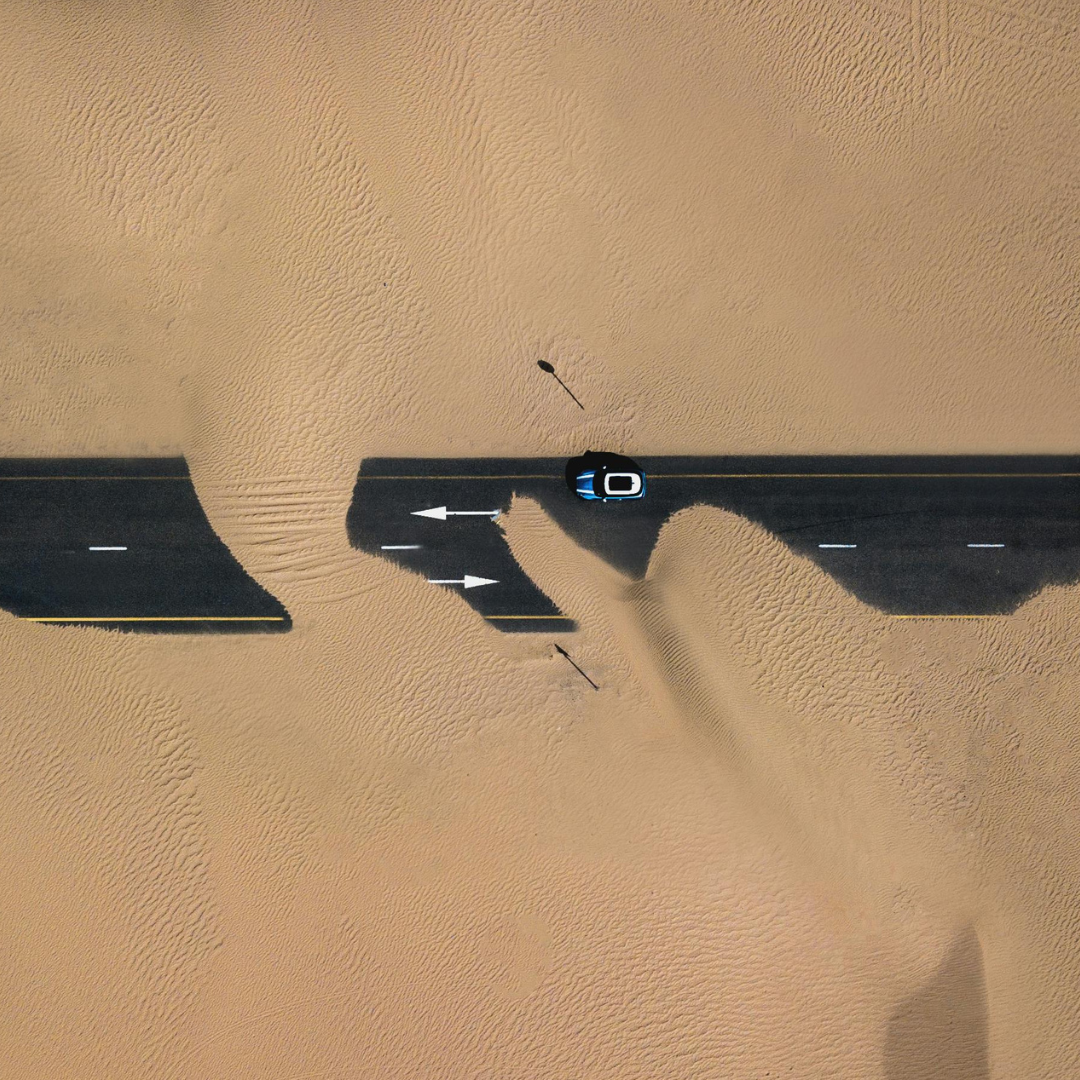
Image by the Lazy Artist Gallery | Pexels
A new study by researchers from the Institute of Earth Sciences at the Hebrew University of Jerusalem, Israel, published in Climate of the Past, examined climate conditions during the last interglacial period roughly 125,000 years ago, a time when global temperatures were similar to, or slightly warmer than, today. Focusing on the Levant, or today’s eastern Mediterranean region, which includes Syria, Lebanon, Palestine, Jordan, and Israel, the researchers integrated simulations from the Paleoclimate Model Intercomparison Project to reconstruct past precipitation patterns.
The findings revealed that while the Levant was heavily characterised by a generally dry climate, during the peak of the interglacial period, the southern Levant experienced relatively wetter conditions, such as high-intensity rainfall events.
“Because of the long-term existing aridity, most infrastructure in these regions is not designed to withstand the effects of such strong rain and flooding, which leads to significant infrastructure damage,” said Adi Torfstein, one of the authors of the study. “Moreover, while hyperarid regions are typically thought to have limited agricultural products, they still serve as settings for niche agriculture. Abrupt rain events can damage the fruits and cause changes in the timing of the harvest season.”
The study also focused on the two primary systems that still govern our rain today: the Cyprus Lows, which include the winter storms that bring most of Israel’s annual rainfall from the Mediterranean, and the Red Sea Troughs, which include the systems that usually peak in autumn and can pull moisture from the tropics.
It found that during the last interglacial period, wetter periods were caused by moisture moving from the South, or particularly from the strengthening of the Red Sea Trough. The researchers revealed that rainfall increases by about 23 per cent during Red Sea Trough events, indicating how significant this system can be. Evidence from central Israel supports this: rather than showing more summer rain, records point to stronger, more intense rainfall events between October and May.
The findings closely mirror recent observations. “The current winter is characterised by extremely large rainfall in the southern Levant, with cumulative rainfall amounts ca. 250-200 per cent of annual averages (with more to come),” Torfstein said. “This peak rain season was driven by a small number of “violent” rain events, while the rest of the winter was dry and relatively warm, in accord with the results of our study.”
Taking this, he warned that existing flood risk assessments may no longer be adequate: “My advice would be to update ‘standard’ extreme weather profiles used for engineering to account for higher peak rain rates.”
With climate patterns shifting rapidly, Torfstein added, gaps between extreme weather events and infrastructure preparedness are likely to persist. “We’ll likely witness flash floods, as well as shifts in seasonal patterns that could fundamentally disrupt agriculture and water management systems,” he concluded.
DOI: 10.5194/cp-22-339-2026
This piece was collated by Zainab Farooqui.
Zainab Farooqui is a journalist based in Karachi, Pakistan. She’s the Digital Editor, and a member of the Editorial Team for the Crisis Response Journal.